
Why Old Dental Work Sometimes Needs Attention
 Dental work is designed to last, but it isn’t always meant to last forever. Fillings, crowns, and bonding can wear down over time—especially with years of chewing, clenching, temperature changes, and everyday use. Most of the time, changes happen slowly, which makes them easy to miss.
Older restorations may develop tiny gaps at the edges, or the tooth underneath can change. Sometimes a filling fractures slightly. Sometimes a crown’s margin becomes less sealed. You might not feel pain right away, but these small issues can allow bacteria to sneak in and create decay under existing dental work.
A few signs can be worth paying attention to: sensitivity when chewing, a rough edge you can feel with your tongue, food catching between teeth, or a tooth that suddenly feels “different.” If you have older dental work, consider this your reminder: staying ahead is always easier than catching up!
Sensitive Teeth Aren’t Something You Have to Accept
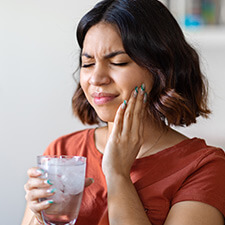 If cold water makes you wince or sweet foods create a sharp zing, you’re not alone. Tooth sensitivity is common—but it’s not something you’re meant to just tolerate. Sensitivity is usually a sign that your tooth’s protective layer is being challenged, and it’s worth understanding why.
Sensitivity can come from several sources: gum recession exposing the root, enamel wear from clenching or acidic foods, tiny cracks, tooth decay, or even an old filling that needs attention. Sometimes sensitivity appears after whitening products or aggressive brushing. Other times it’s your body’s early warning sign that something needs a closer look.
The good news is that sensitivity is often manageable once the cause is identified. Solutions may be as simple as adjusting brushing technique, using a targeted toothpaste, or addressing a worn area before it turns into a bigger issue.
How Everyday Snacking Affects Your Teeth More Than Sugar Alone
 When people think about cavities, they usually think “sugar.” But one of the biggest drivers of tooth wear and decay is actually frequency. Every time you snack or sip something other than water, your mouth becomes more acidic for a period of time. That acid softens enamel and gives cavity-causing bacteria the environment they love.
This is why snacking throughout the day can be tougher on teeth than enjoying a treat with a meal. Even “healthy” snacks—like dried fruit, crackers, granola bars, or citrus—can keep your teeth in that repeated acid cycle if they’re consumed often. Sipping coffee or flavoured drinks all afternoon has a similar effect.
That doesn’t mean you need to be perfect. A few small shifts can make a big difference: keep snacks to planned times, choose tooth-friendlier options like cheese or nuts, rinse with water after eating, and avoid constant sipping.